Supply Chain Strains Reshaping High Roller Routes to Global Casino Centers
Cameron Albrecht · Oct 22, 2026
Supply Chain Strains Reshaping High Roller Routes to Global Casino Centers
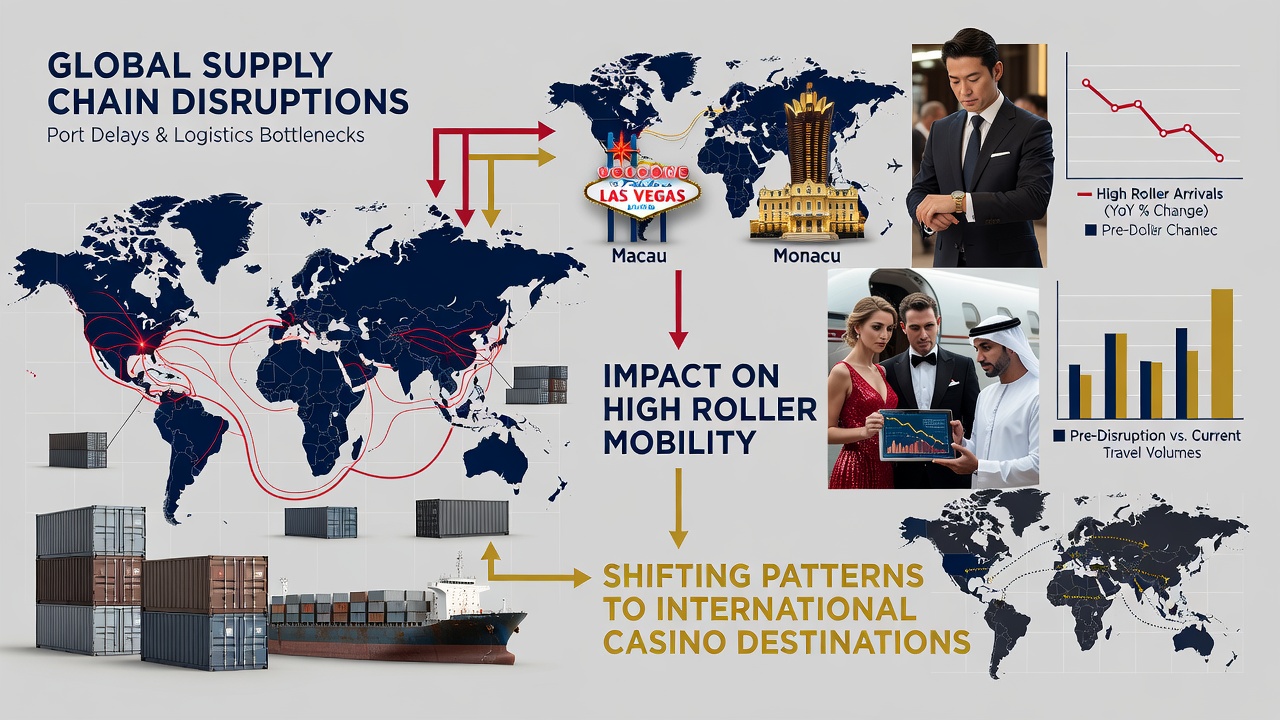
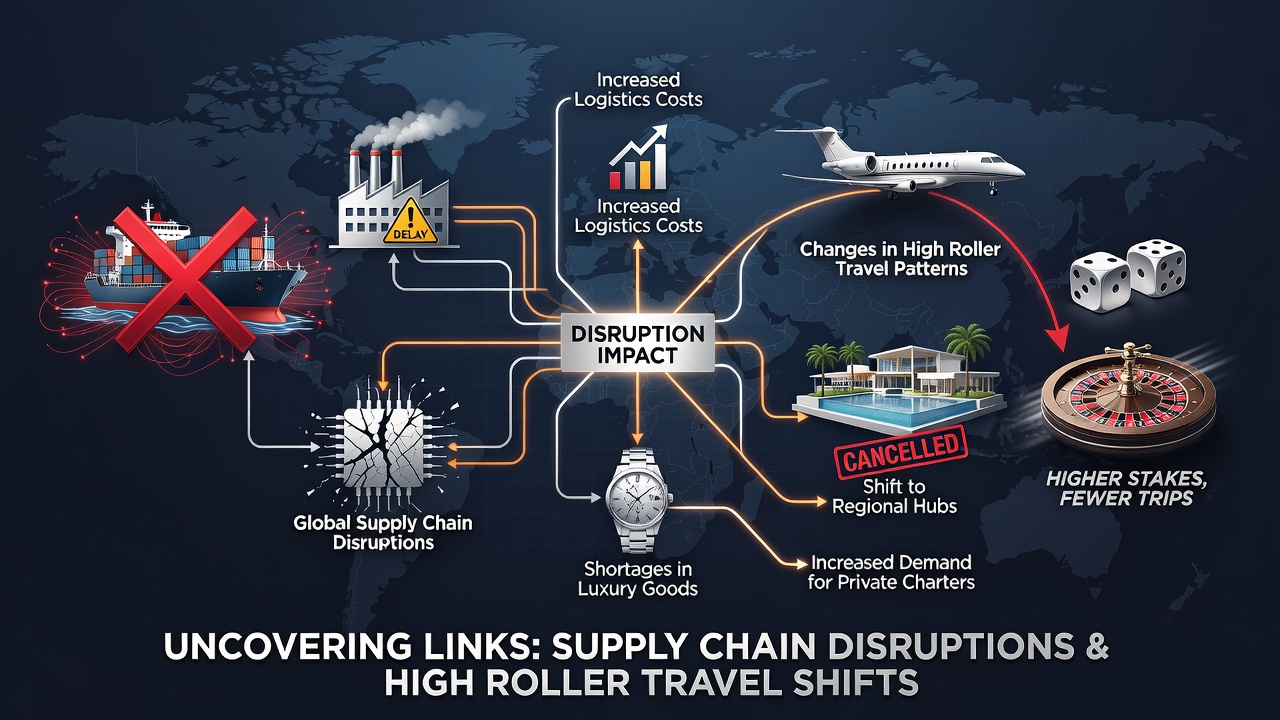
Global supply chain disruptions have continued to influence travel logistics well into 2026, and observers note measurable shifts in high roller movements toward international casino destinations. Data from transport and tourism agencies show that delays in aircraft parts, fuel distribution networks, and luxury vessel components have altered both the frequency and choice of destinations for wealthy gamblers who rely on private aviation and premium maritime options.
Logistics Pressures and Destination Adjustments
Researchers tracking private jet movements report that routes to Macau and Singapore experienced adjustments during the first three quarters of 2026 because maintenance backlogs at regional hubs extended turnaround times. Those same analysts found that operators redirected some flights toward European centers such as Monaco and Malta where parts inventories remained more stable. High rollers who previously favored multiple short-haul trips across Asia adjusted schedules toward fewer but longer stays at single locations to reduce cumulative exposure to supply delays.
Industry reports indicate that hotel groups in Las Vegas and Atlantic City recorded steadier occupancy from international premium players in October 2026 compared with the same month in 2025. The pattern emerged after shipping delays for high-end furnishings and electronics slowed renovations at several Asian properties, prompting some travelers to reroute toward North American venues that maintained full amenity availability.
Maritime and Fuel Network Effects
Maritime supply lines that support superyacht traffic to casino ports have faced ongoing constraints from container shortages and port labor shortages. Figures released by the International Maritime Organization reveal that average wait times at key Mediterranean and Southeast Asian ports rose by nearly 18 percent year-over-year through mid-2026. High net worth individuals who combine yacht charters with casino visits responded by consolidating trips, often choosing single extended stays in locations such as the Bahamas or Cyprus where berth availability and provisioning proved more reliable.
According to data compiled by the U.S. Energy Information Administration, fluctuations in aviation fuel deliveries created additional cost variability on trans-Pacific routes. Private operators responded by favoring shorter over-water segments when possible, which contributed to increased traffic toward Australian casino destinations such as Melbourne and Perth during the southern hemisphere spring of 2026.
Regional Data Patterns
Macao government tourism statistics for September and October 2026 show a 9 percent decline in private aircraft arrivals from mainland China compared with the prior year, while arrivals from Europe held steady. Analysts attribute part of the shift to semiconductor shortages that slowed production of new business jets and delayed refurbishments of existing fleets. In contrast, visitor data from the Monaco government tourism office recorded a 7 percent rise in arrivals from the Middle East during the same period, coinciding with improved parts availability at European maintenance facilities.
Canadian gaming authorities documented similar trends at Windsor and Niagara Falls properties, where cross-border high roller visits from the northeastern United States increased modestly. The change aligned with reduced flight options into certain Asian hubs and more consistent fuel supply on shorter domestic and regional routes.
Broader Economic Connections
UNCTAD supply chain reports released in 2026 highlight how container imbalances and semiconductor shortages affected multiple sectors simultaneously, including luxury goods transport and specialized aviation maintenance. Those studying high roller behavior note that wealth derived from industries sensitive to these disruptions sometimes prompted travelers to select destinations with lower overall logistics friction. Evidence from flight tracking services shows that private aviation traffic to integrated resort properties in the Philippines and Vietnam remained flat through October 2026, while traffic to established European and North American sites showed modest recovery.
Academic studies examining wealth mobility and leisure travel have begun incorporating supply chain metrics as variables. Preliminary findings suggest that high rollers adjust destination choices within a six-to-nine-month lag after major logistics events, a timeframe consistent with the patterns observed between late 2025 and October 2026.
Conclusion
Supply chain disruptions continue to intersect with high roller travel through indirect channels such as aircraft maintenance, fuel distribution, and resort readiness. Data from multiple regions indicate that travelers have responded by consolidating trips, shifting toward destinations with more stable logistics support, and extending stays where amenities remain fully operational. Ongoing monitoring by transport authorities and tourism boards will clarify whether these adjustments represent temporary adaptations or longer-term changes in global high-stakes casino travel patterns.