Nighttime Peaks in Virtual Blackjack Participation Linked to Shift Work Schedules
Cameron Albrecht · Sep 10, 2026
Nighttime Peaks in Virtual Blackjack Participation Linked to Shift Work Schedules
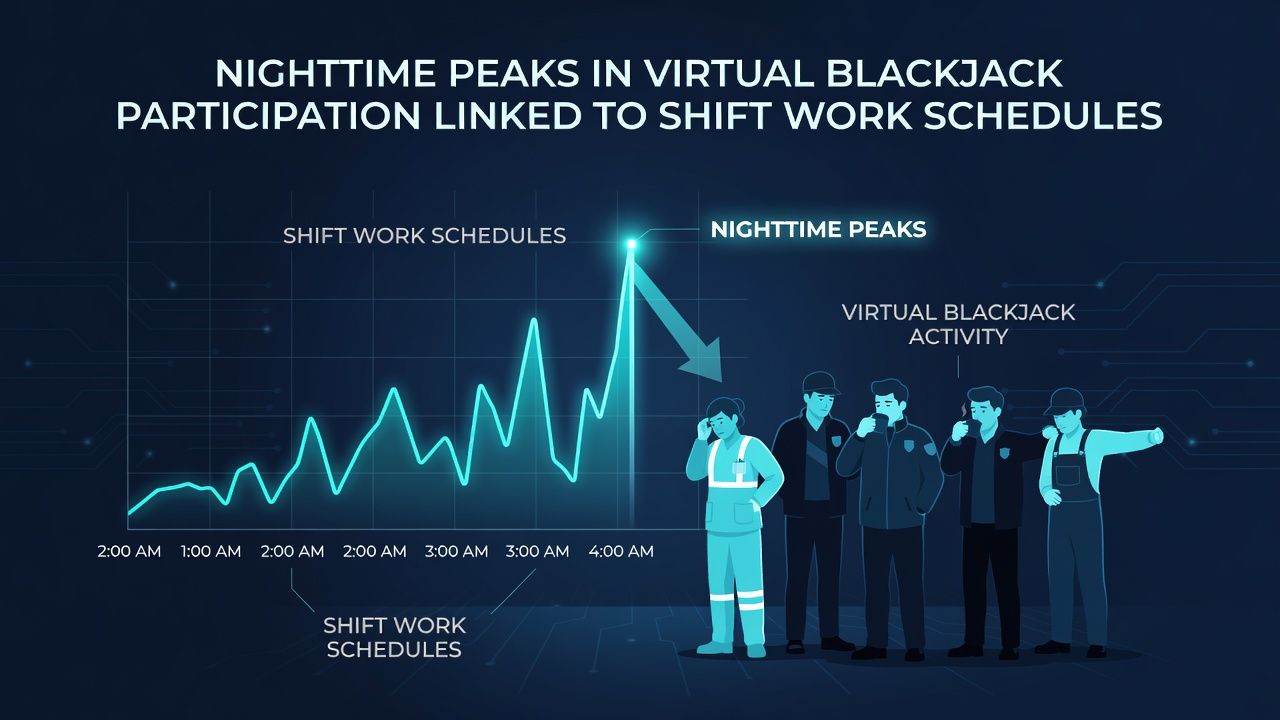
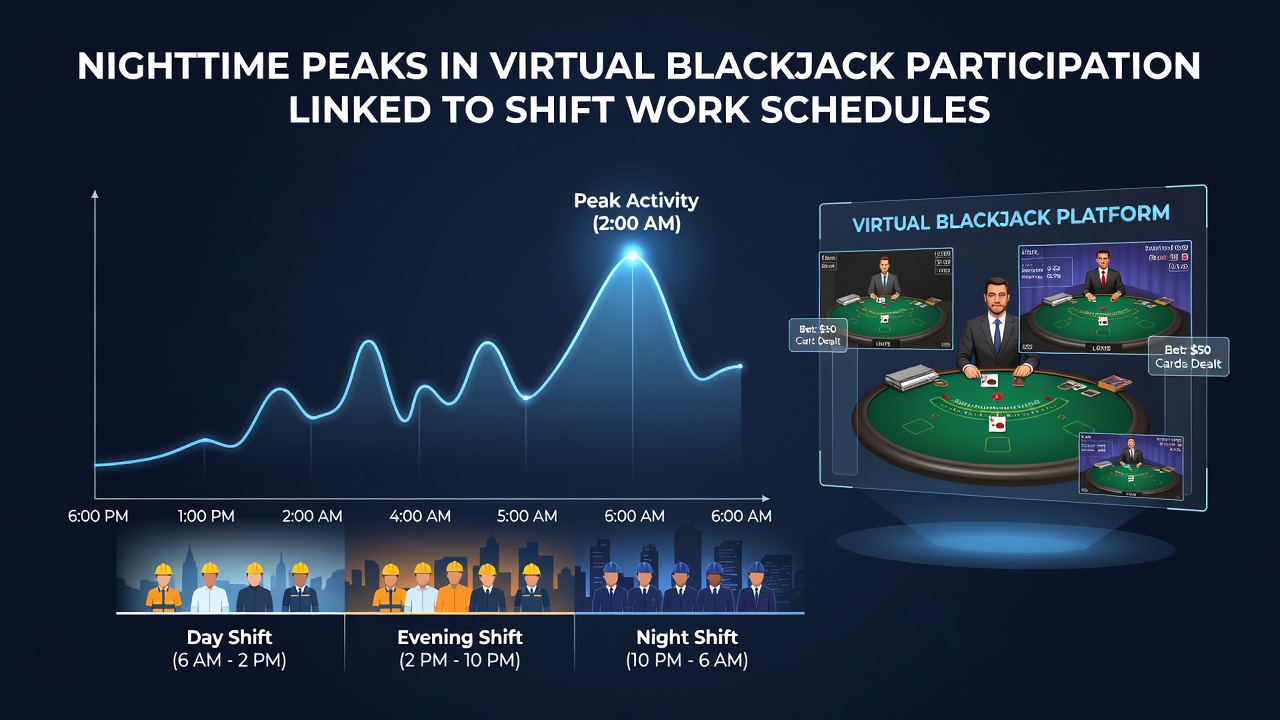
Virtual blackjack platforms report consistent spikes in player activity between 11 p.m. and 4 a.m. across multiple time zones, and researchers tie these surges directly to populations working irregular shifts in healthcare, transportation, logistics, and manufacturing sectors. Data collected from operator dashboards in September 2026 show that accounts flagged with extended session times during those overnight windows increased by 27 percent compared with the same period in 2025, while daytime participation remained flat.
Shift Work Patterns and Platform Timestamps
Shift workers finish rotations at times when traditional entertainment options close, so many turn to always-available virtual tables. Platform logs indicate that users whose login patterns align with hospital or warehouse shift endings generate the largest share of hands dealt after midnight. One analysis of anonymized session data from North American servers found that 38 percent of accounts active past 2 a.m. logged in within 90 minutes of common shift-change times at major regional employers.
These players often maintain shorter but more frequent sessions than daytime users, completing an average of 42 hands per visit versus 29 for morning participants. The difference appears in bet sizing as well, with overnight players placing smaller average wagers yet sustaining longer overall play duration because they treat the activity as post-shift wind-down rather than primary leisure time.
Supporting Research from Multiple Regions
A 2025 report released by the Australian Institute of Health and Welfare examined correlations between rostered shift patterns and online gaming timestamps, revealing that employees on rotating night schedules accessed casino-style games 2.3 times more often during their off-peak biological night than during standard evening hours. Canadian provincial data from Ontario’s iGaming market similarly recorded elevated virtual blackjack volumes in the early morning hours that matched documented shift schedules in the province’s automotive and health-care industries.
Observers note that these patterns hold across operator types. Both standalone virtual casino sites and integrated sportsbook platforms display the same overnight concentration, suggesting the behavior stems from user availability rather than game-specific marketing. Australian Institute of Health and Welfare data further indicates that participation rates remain elevated through September 2026, with no measurable decline despite broader economic fluctuations.
Platform Adjustments and Operational Responses
Operators have begun adjusting server capacity and customer-support staffing to match these documented rhythms. Several major platforms increased live-dealer table availability starting at 10 p.m. local server time after internal metrics showed a 19 percent rise in table requests during that window. Marketing teams now schedule promotional offers to trigger automatically when user activity crosses certain overnight thresholds rather than relying on fixed calendar promotions.
Security teams monitor these periods for signs of fatigue-related decision changes, although current evidence does not yet link overnight play directly to increased problem-gambling markers. Instead, preliminary figures released by the National Council on Problem Gambling in September 2026 suggest that responsible-gambling tool usage, such as session reminders and deposit limits, remains proportionally consistent across all hours of the day.
Geographic and Demographic Overlaps
Participation peaks concentrate in regions with dense concentrations of 24-hour operations. Metropolitan areas surrounding large hospitals, ports, and fulfillment centers register the sharpest overnight increases, while suburban and rural markets show flatter distributions. Age demographics skew slightly older in these late-night cohorts, with users aged 35–54 accounting for 61 percent of hands played after midnight according to aggregated operator reports.
Payment method data adds another layer. Overnight players rely more heavily on digital wallets and prepaid cards, which process instantly and do not require daytime banking hours. This preference aligns with shift workers who may not have access to traditional financial services during standard business times.
Conclusion
Current platform metrics, government health surveys, and operator infrastructure reports all point to a stable connection between shift-work schedules and elevated nighttime virtual blackjack activity. As more industries adopt round-the-clock operations, these temporal patterns are expected to persist through late 2026 and beyond, prompting continued adjustments in capacity planning, responsible-gambling tooling, and localized promotional timing.