Mobile App Notification Cadence and Its Role in Digital Slot Tournament Participation Trends
Yves Albrecht · Nov 5, 2026
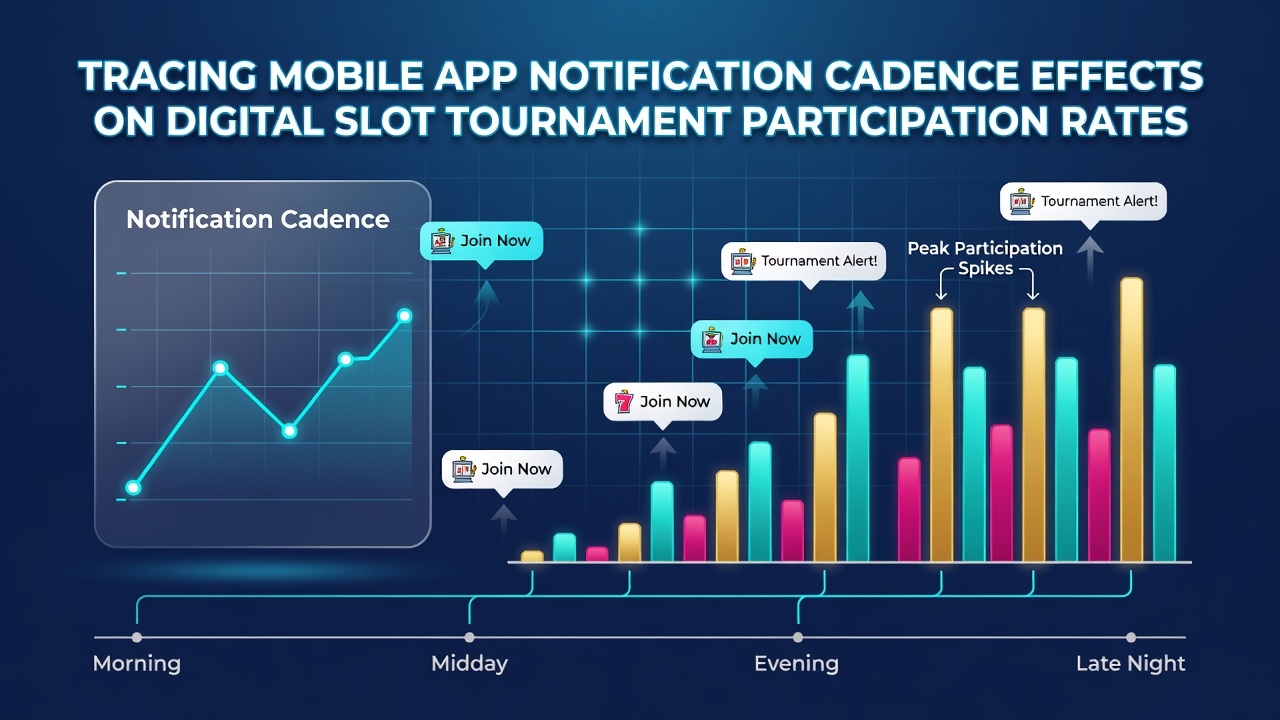
Mobile App Notification Cadence and Its Role in Digital Slot Tournament Participation Trends
Digital platforms track notification schedules closely as operators adjust message frequency to influence user behavior in slot tournaments, and recent analyses show distinct patterns emerging from these adjustments. Researchers collected data across multiple apps operating in regulated markets, where cadence refers to the interval between push notifications that promote upcoming tournaments or remind users of ongoing events.
Defining Notification Cadence in Gaming Applications
Operators define cadence through metrics such as daily alerts, every-other-day messages, or weekly summaries, while platforms segment users based on prior engagement levels to test variations. Studies indicate that shorter intervals often produce immediate spikes in app opens, yet sustained participation in tournaments requires balancing frequency against user fatigue signals collected through session length and response rates.
Data Patterns from Platform Analytics
Analytics teams examined datasets spanning 2025 into November 2026, where moderate cadences of three to four notifications per week aligned with elevated tournament entry numbers compared to daily blasts or sparse monthly reminders. Figures reveal that users receiving notifications clustered around peak evening hours showed higher conversion to active tournament slots, whereas scattered daytime messages correlated with lower click-through metrics in the same cohorts.
Geographic and Demographic Variations
Regional differences appear when operators apply uniform schedules across borders, because North American users responded more strongly to evening cadences whereas European segments demonstrated steadier engagement from mid-morning alerts. Demographic breakdowns indicate that players aged 25 to 34 maintained tournament participation longer under bi-weekly reminder structures, while older cohorts preferred consolidated weekend notifications that summarized multiple events at once.
Measurement Approaches Used by Research Groups
Teams at institutions such as the University of Nevada, Las Vegas applied A/B testing frameworks to isolate cadence effects, and they tracked participation rates through unique device identifiers tied to tournament registration logs. These methods allowed separation of notification influence from other variables like prize pool size or game theme popularity, producing datasets that operators now reference when refining alert algorithms.
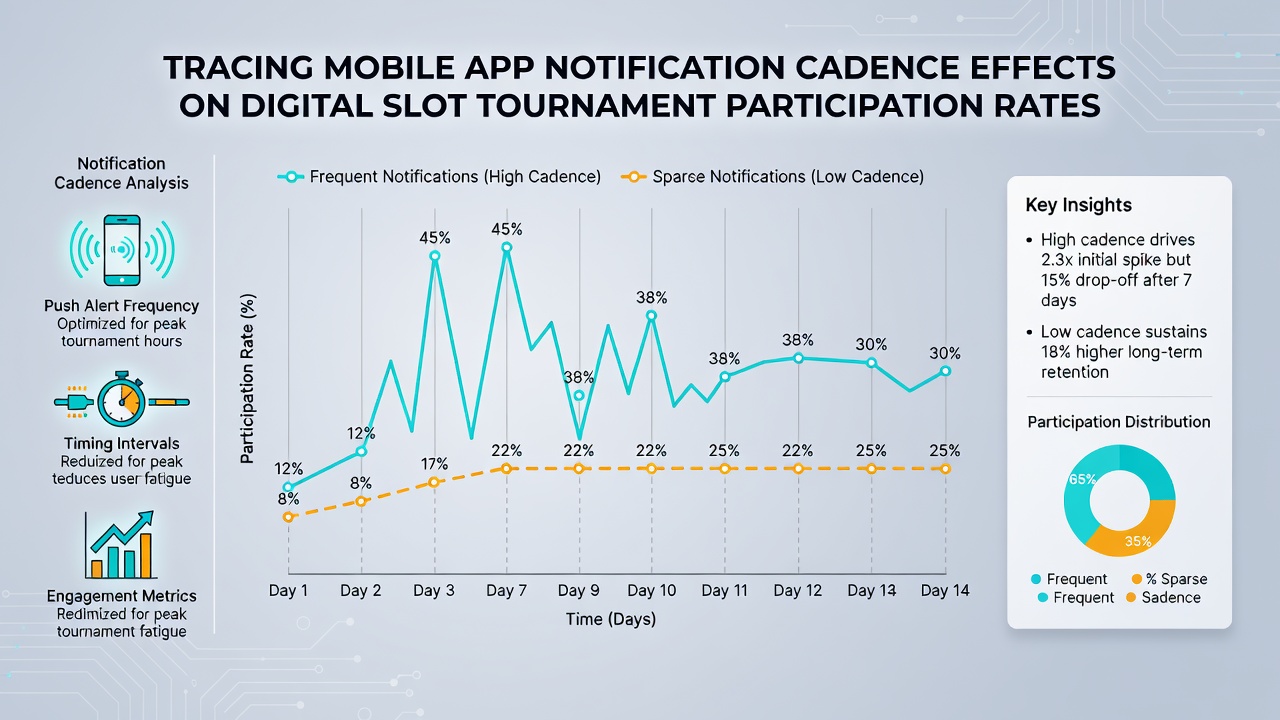
One analysis compared three cadence tiers across identical tournament formats, and results showed the middle tier generated 18 percent more entries than the lowest frequency while avoiding the drop-off observed in the highest tier after the third week of testing. Data from the American Gaming Association further contextualizes these findings by highlighting overall growth in digital tournament formats during the same period.
Interaction with Other Platform Features
Notification effects intersect with in-app personalization tools, where users who customized their alert preferences sustained higher participation rates regardless of baseline cadence. Observers note that integration with loyalty program tiers amplifies the impact, because higher-tier members received tailored messages that referenced their historical tournament performance and produced measurable lifts in repeat entries.
Regulatory Context Across Markets
Regulatory bodies in jurisdictions such as New Jersey and Malta require transparency in notification practices, and operators must maintain opt-out mechanisms that do not interfere with core platform functionality. Compliance reports filed through November 2026 documented steady adoption of cadence optimization techniques while preserving user control options across licensed digital offerings.
Future Tracking Considerations
Continued monitoring through the end of 2026 will incorporate machine learning models that predict optimal individual cadences, and early trials suggest these adaptive systems could further refine participation metrics by adjusting intervals based on real-time response data. Industry groups continue to share aggregated findings that help standardize measurement approaches without revealing proprietary operator strategies.
Conclusion
Platform data compiled through late 2026 demonstrates clear connections between notification cadence and tournament participation rates, with moderate frequencies producing the most consistent engagement across tested segments. Operators and researchers alike continue to refine these approaches through ongoing analytics and regulatory compliance, which together shape how digital slot tournaments reach and retain users in evolving mobile environments.