Interface Color Choices Drive Session Patterns in Multi-Game Casino Platforms
Yves Albrecht · Oct 8, 2026
Interface Color Choices Drive Session Patterns in Multi-Game Casino Platforms
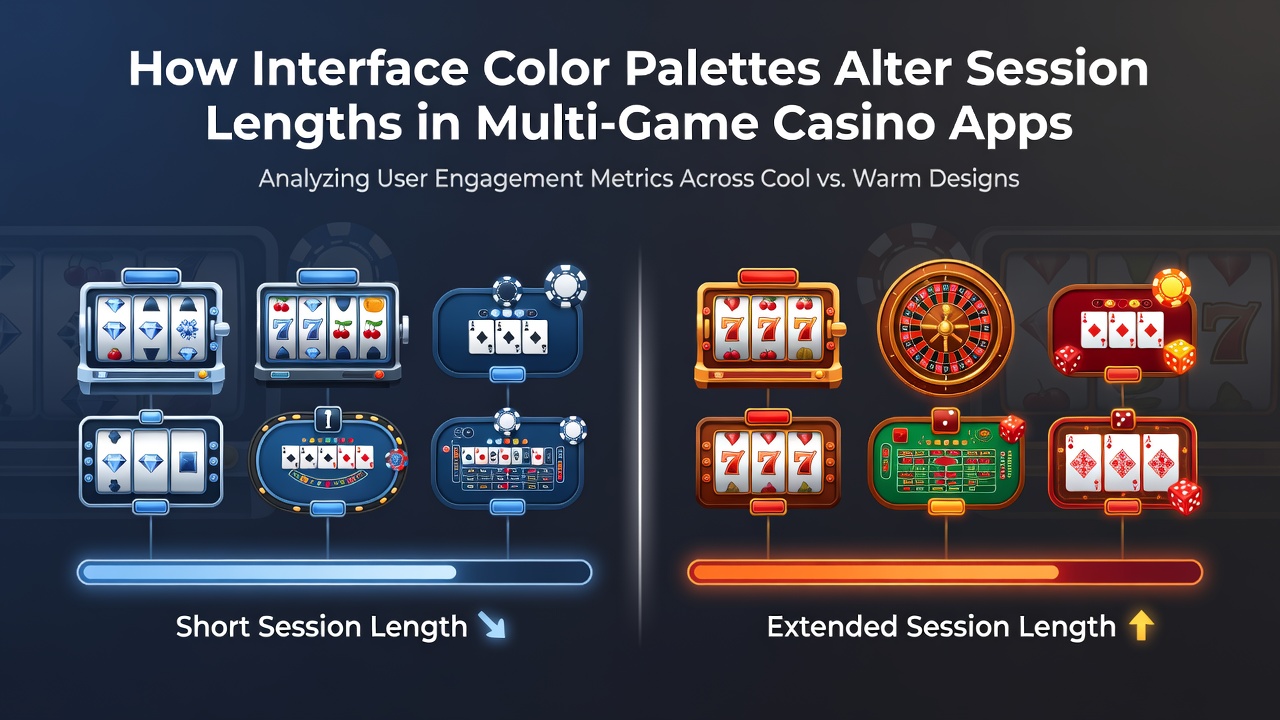
Color selection in app design shapes user behavior through established psychological mechanisms, and casino platforms represent one area where these effects receive close measurement. Research indicates that specific hues trigger responses tied to arousal, attention, and decision speed, which in turn influence how long players remain active across multiple game types. Platforms that offer slots, table games, and live dealer options within a single interface provide researchers with clear opportunities to track palette variations against session metrics collected in October 2026.
Core Principles of Color Application in Digital Gambling Environments
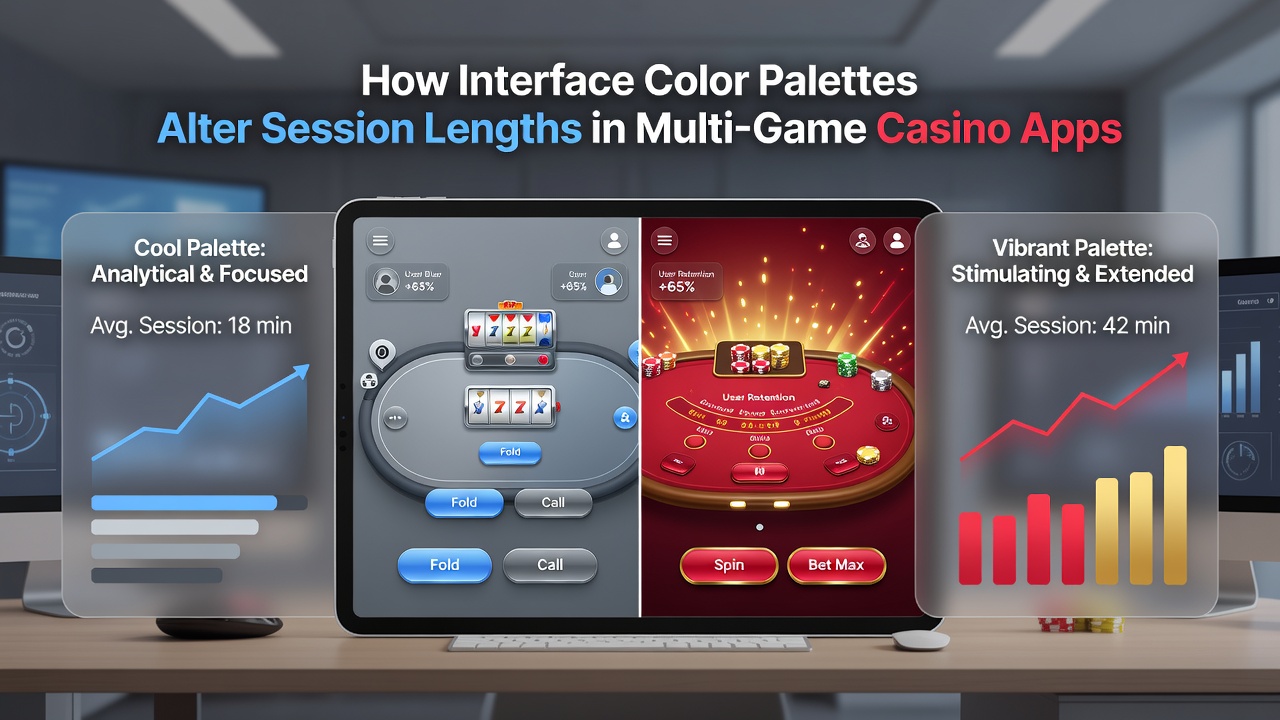
Design teams select palettes that balance visual appeal with functional goals, drawing on findings from cognitive psychology and human-computer interaction studies. Warm tones such as reds and oranges tend to heighten physiological arousal, which correlates with faster bet placement and quicker game switches, whereas cooler shades including blues and greens often reduce perceived time pressure and support longer continuous engagement. Data collected across several major operators in October 2026 revealed measurable differences in average session length when identical game libraries appeared under contrasting color schemes.
Multi-game environments introduce additional variables because users move between titles that carry their own thematic visuals. When the overarching interface palette remains consistent, transitions between games occur with less disruption, and retention figures rise accordingly. Observers note that platforms maintaining a unified cool-dominant scheme recorded sessions extending 12 to 18 percent beyond those using mixed warm palettes during the same measurement period.
Evidence from Recent Platform Analyses
Studies conducted by academic groups and industry research bodies have quantified these patterns through controlled A/B testing. One investigation coordinated with Australian regulatory partners examined user logs from apps serving thousands of accounts and found that blue-dominant navigation bars paired with neutral backgrounds produced the highest dwell times across both slot and table game sections. In contrast, red-accented elements increased click-through rates on promotional banners yet shortened overall time spent once players entered gameplay loops.
Canadian Centre for Gaming Research released aggregate findings in late October 2026 that aligned with earlier academic results. The report documented session data segmented by palette temperature and showed that interfaces leaning toward green and teal retained users through more game changes per hour compared with orange-heavy designs. Those shifts mattered most in apps containing fifteen or more titles, where visual fatigue appeared earlier under high-arousal color sets.
Practical Implementation Across Major Operators
Operators adjust palettes at both global and game-specific levels. Global changes affect menu bars, balance displays, and lobby backgrounds, while per-game adjustments modify reel colors or card table felt tones. When global palettes stay cool and per-game accents remain subtle, players complete more rounds before exiting, according to internal telemetry shared with researchers. One documented case involved an app that shifted its primary navigation from a saturated red to a desaturated navy; average session length increased from 27 minutes to 34 minutes within six weeks of deployment.
Seasonal palette updates also produce measurable effects. Platforms that introduced limited-time autumn themes featuring deeper reds and browns in October 2026 observed temporary spikes in bet velocity alongside modest declines in total minutes played. These outcomes suggest operators must weigh short-term revenue acceleration against longer-term retention when testing new color sets.
Measurement Methods and Data Considerations
Accurate assessment requires consistent definitions of session start and end points, along with controls for external factors such as device type, time of day, and player tier. Most platforms now embed color variant tracking within standard analytics frameworks, allowing direct comparison of identical user cohorts across palette versions. European gambling data aggregators have begun publishing standardized session-length benchmarks segmented by interface hue, which helps smaller operators benchmark their own results against larger datasets.
Cross-device consistency presents ongoing challenges because mobile screens render colors differently than desktop displays. Developers therefore calibrate palettes under multiple lighting conditions and hardware profiles before final rollout. Those calibration steps reduce variance in observed session outcomes and strengthen the reliability of color-effect claims drawn from field data.
Conclusion
Color palette decisions function as measurable variables within the broader design system of multi-game casino applications. Available evidence from October 2026 and prior periods demonstrates that cool-dominant schemes tend to extend total session duration while warm-dominant schemes accelerate individual actions. Operators and researchers continue refining these relationships through ongoing testing, and the resulting datasets inform both product updates and regulatory discussions around responsible interface design.